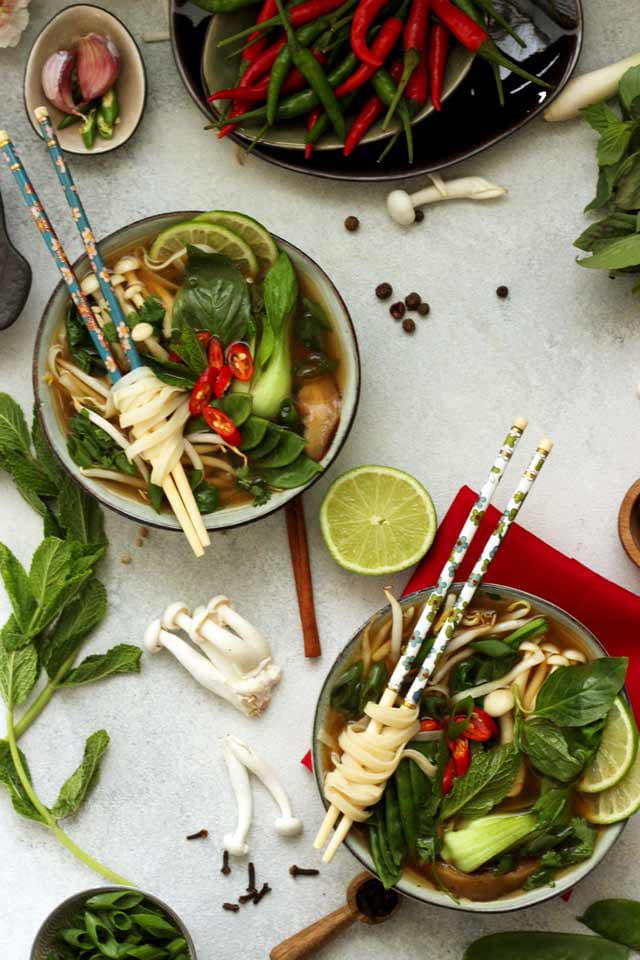
Unveiling the Magic of Vegan Vietnamese Pho Noodle Soup: A Culinary Journey
There are few dishes that evoke the same sense of comfort, warmth, and profound satisfaction as a steaming bowl of pho. While traditionally celebrated for its rich beef broth, the world of culinary innovation has beautifully embraced a plant-based alternative, giving rise to the equally enchanting vegan Vietnamese pho noodle soup. This isn't just a substitute; it's a vibrant, aromatic symphony of flavors that stands tall on its own merits, offering a nourishing and deeply flavorful experience without any animal products. If you thought the magic of pho was inaccessible to a plant-based diet, prepare to be wonderfully surprised.
For many, particularly those new to Vietnamese cuisine, the mere mention of pho often sparks curiosity about its pronunciation. It's a common stumbling block, with many attempting variations like /feh/ or /fuh/. The truly authentic pronunciation is closer to /fuUuh/, a soft, drawn-out sound. However, don't fret too much if you find yourself simplifying it to /foh/ or /fuh/ – the most important thing is to enjoy the incredible journey your taste buds are about to embark on. In its homeland, Vietnam, pho holds a cherished place as a beloved breakfast staple, much like oatmeal might be in Western cultures. It’s a morning ritual, a comforting start to the day, and a testament to its widespread appeal and everyday deliciousness.
The Soulful Symphony: Decoding Vegan Pho's Rich Broth and Aromatic Spices
The undisputed heart of any pho, whether traditional or vegan, lies in its broth. For a truly authentic vegan Vietnamese pho noodle soup, the broth must possess an unparalleled depth of flavor, body, and aroma. This is where the magic of a carefully selected array of warming spices comes into play. Imagine a broth that, before these spices are added, might taste somewhat "empty" or unfinished. But then, as black cardamom, coriander seed, star anise, cinnamon (specifically the potent Vietnamese Cassia bark), clove, and fennel are gently simmered, the liquid transforms. It blossoms into a complex, fragrant elixir that offers liquid comfort with every spoonful.
These aren't just random additions; each spice plays a critical role. Black cardamom imparts a smoky, camphor-like depth, while star anise contributes its signature licorice-like sweetness. Cinnamon adds warmth, coriander seeds a citrusy-peppery note, and cloves a pungent sweetness. Fennel seeds round it out with a subtle anise flavor. Together, they create the distinctive aromatic profile that is unmistakably pho. Sourcing these spices is often easier than you might think; most well-stocked Asian markets will carry them, either individually or in convenient pre-packaged pho spice blends. These blends are a fantastic shortcut for beginners, ensuring you get the right balance of flavors without having to hunt down each component.
But spices alone do not make a vegan broth. The true foundation for a robust plant-based pho lies in a thoughtful selection of vegetables. Replacing the traditional beef bones requires creativity and an understanding of umami. Here, ingredients like two dozen dried shiitake mushrooms are not an exaggeration – they are essential. Shiitake mushrooms are powerhouses of umami, contributing a deep, meaty savoriness that forms the backbone of the broth. Complementing these are charred vegetables such as cabbage, daikon, carrot, and onion. Charring the vegetables before simmering is a crucial step; it adds a smoky sweetness and depth that mimics the complex flavors developed in a traditional beef broth. Daikon adds a subtle peppery note and clarity, while carrots and onions contribute natural sweetness.
For more insights into crafting the perfect plant-based broth, you might find valuable information in vegan vietnamese pho noodle soup - Article 1, which delves deeper into foundational broth techniques. The key is patience in simmering, allowing all these incredible ingredients to release their full potential, creating a broth that is rich, layered, and utterly satisfying.
Mastering the Art of Vegan Pho: Ingredients & Techniques
Crafting an authentic bowl of vegan Vietnamese pho noodle soup at home is a rewarding culinary adventure. While the broth is paramount, the accompanying elements are equally vital in creating the full, immersive pho experience. Once your aromatic broth has simmered to perfection, strained, and is ready, the next step is assembling your bowl.
Firstly, the noodles. Thin, flat rice noodles (bánh phở) are the traditional choice. They cook quickly and absorb the broth beautifully. Ensure you cook them just until al dente, as they will continue to soften in the hot broth. Overcooked noodles can become mushy, detracting from the texture of your pho.
Next are the plant-based protein additions. While the broth is rich, adding some textural and protein-rich elements elevates the dish. Thinly sliced firm tofu, lightly fried tofu puffs, or even thinly sliced seitan or king oyster mushrooms can be fantastic choices. Marinating tofu slices briefly in a little soy sauce and sesame oil before adding them can enhance their flavor profile. Another excellent option is to prepare a medley of sautéed mushrooms, such as shiitake, oyster, or cremini, to add an extra layer of umami and texture.
Then come the fresh garnishes – these are non-negotiable for a truly authentic pho experience. A generous handful of fresh bean sprouts, fragrant basil leaves, fresh cilantro, and a few mint leaves add vibrancy, crunch, and an explosion of aromatic notes. Thinly sliced red chilies (such as bird's eye chilies) provide a fiery kick, while wedges of fresh lime offer a bright, acidic contrast that cuts through the richness of the broth. Some prefer a drizzle of hoisin sauce or a dollop of sriracha directly into their bowl for added sweetness and heat. The beauty of pho lies in its customizability – allow your guests to add their preferred garnishes, transforming their bowl into a personalized masterpiece.
For more creative topping ideas and advanced techniques, be sure to check out vegan vietnamese pho noodle soup - Article 2, which explores various ways to customize and enhance your vegan pho.
A Taste of Tradition: The Cultural Heartbeat of Pho
Beyond its incredible flavors, pho carries a rich cultural narrative, deeply ingrained in the fabric of Vietnamese daily life. The experience of consuming pho in Vietnam, particularly from a street vendor, is something truly special and often profoundly different from a restaurant setting abroad. Imagine the narrow, bustling alleyways of Vietnam, perhaps in the early morning light. The sound of a vendor's call, the gentle clatter of bowls, and the irresistible aroma of simmering broth wafting through the air.
Personal anecdotes often paint the most vivid picture. The memory of visiting grandparents, navigating multi-story townhouses squeezed between countless others, and sleepily descending flights of stairs to meet a pho vendor pushing a cart in the alleyway. The simple yet profound ritual: grandmother flagging down the vendor, bowls materializing from the kitchen, the swift division of noodles, expertly sliced plant-based protein (in our vegan adaptation), and the generous ladle of piping hot broth. A plate of fresh greens, sprouts, chili peppers, and lime wedges completes the scene. This street-side pho, consumed communally and casually, often eclipses the more polished restaurant versions found in distant Chinatowns. It embodies authenticity, community, and the simple joy of a perfect, humble meal.
This vibrant memory serves as a powerful inspiration for making homemade vegan Vietnamese pho noodle soup. The goal isn't just to replicate flavors but to capture that essence of comfort, the feeling of a nourishing, soul-satisfying meal shared with loved ones. It’s about creating a culinary experience that transports you, even if just for a moment, to those bustling alleyways and the warmth of a Vietnamese home.
Practical Tips for Your Vegan Pho Journey
- Source Wisely: Visit your local Asian market for the best quality and variety of dried shiitake mushrooms, pho spice packs, fresh herbs, and rice noodles.
- Don't Rush the Broth: The longer the broth simmers (within reason, usually 2-4 hours is ideal), the deeper and more developed its flavors will become.
- Char for Depth: Don't skip charring the onions, ginger, and cabbage. This step adds crucial smoky and sweet notes that are key to authentic pho flavor.
- Taste and Adjust: Always taste your broth before serving. You might want to add a touch more salt, a dash of vegan fish sauce (many brands are now available), or a pinch of sugar to balance the flavors.
- Make Ahead: The broth can be made a day or two in advance and stored in the refrigerator, or even frozen for longer periods. This makes assembling fresh bowls much quicker.
- Experiment with Protein: While tofu and mushrooms are great, don't hesitate to try other plant-based proteins like tempeh, thinly sliced rehydrated soy curls, or even roasted vegetables.
Embarking on the journey to create your own vegan Vietnamese pho noodle soup is more than just cooking a meal; it's an exploration of flavor, culture, and compassion. With its deeply aromatic broth, tender rice noodles, and a vibrant medley of fresh garnishes, this plant-based rendition offers all the comfort and complexity of its traditional counterpart. It's a testament to the versatility and richness of vegan cuisine, proving that soul-satisfying dishes can transcend their origins and be enjoyed by everyone. So, gather your spices, char your vegetables, and prepare to be enchanted by the unforgettable taste of homemade vegan pho.
